

When it comes to picking out a sink, there are many styles and material options. And like picking an appliance, the right countertop surface or hunting for antique hardware to add the finishing touch, it takes some research to find what works for you. From copper kitchen sinks to stainless steel sinks and more, there are several materials to consider! One increasingly popular choice is fireclay, thanks to its durability and ageless style.
However, being so similar to a cast iron sink, you might wonder what makes a fireclay sink so special and how the material itself compares to something as substantial and reputable as cast iron.
So, fireclay vs cast iron sink: What do you choose? Below, we’ve put together a breakdown of the pros and cons of each sink style to help you weigh the options and find the ideal sink to slip into your kitchen countertops or a vintage bathroom sink for your ensuite. While Van Dyke’s offers a range of sink options for each room, this focuses on kitchen sinks in particular since they see the most use.
Fireclay Sinks
Before we talk about fireclay kitchen sinks, we need to explain what the fireclay material is and how it’s made. Fireclay is a clay-based ceramic heated inside a kiln at extremely high temperatures, usually over 1600°F, until it becomes incredibly strong and nonporous. Typically, when you hear the word ceramic, you automatically assume it’s on the delicate side and easy to break. But fireclay is far tougher than traditional ceramic. The firing process fuses glaze and clay together, creating a durable, glossy finish that stands up to everyday use.
So how does fireclay material work as a sink? How does it compare to other options like cast iron when it comes to performance and aesthetics? Let’s take a closer look at the pros and cons of fireclay sinks.

The Advantages of Using a Fireclay Sink
Fireclay sinks have become a popular choice for their mix of classic design and durable construction. Here’s what makes them stand out.
Strength and Durability
Due to its kiln-fired creation, fireclay is amazingly durable and capable of taking hard knocks or whatever you throw at it. It resists chipping, cracking, and most surface wear. Even heavy cookware won’t easily damage the sink’s interior.
Low Maintenance
The strength and durability of the fireclay also means your sink will be low maintenance. Its nonporous surface resists stains, odors, and bacteria. All you have to do is give the sink a quick wipe down after each use.
Easy to Customize
Fireclay is incredibly easy to customize. Capable of being poured into a mold and shape of your choosing, you can create a bespoke, perfect sink for your home kitchen, bathroom or even wet bar. It’s a popular choice for apron-front and farmhouse sinks that add charm and craftsmanship to the space.
Relatively Affordable, Luxurious Look
Fireclay sinks look rather luxurious and pricey, but they are actually quite affordable when compared to other expensive sinks. Their silhouette and glossy surface create the feel of a high-end fixture without the high-end cost.
When comparing fireclay vs cast iron sink price points, fireclay often offers a better value especially if you want that apron-front farmhouse style.
Pedestal or Drop-in — Find the Best Bathroom SinksThe Disadvantages of Fireclay Sinks
As you can see, fireclay sinks tick off many boxes, from style to affordability and strength. Still, they do come with a few drawbacks depending on your kitchen habits and design goals.
Expensive Compared to Porcelain
While fireclay offers a big bang for its buck, it doesn’t mean it’s not pricey by comparison. It typically costs more than porcelain, but the long-term durability and visual appeal often justify the investment.
Limited Color Choices
Fireclay sinks can be molded to your liking, this much is true. However, the clay-based material offers a sparse color palette. Most come in white or off-white, with only a few manufacturers offering options like matte black or deep gray.
Scratchable
Compared to other ceramic-style sinks, fireclay is incredibly durable and resistant. It’s hard to break or nick a fireclay sink. However, it can show surface-level scuff marks or scratches from metal cookware. A protective grid can help reduce wear.
Shows Stains
Fireclay is designed to last for many years. Unfortunately, after some time, some fireclay sinks can pick up water stains. Letting metal utensils or cookware sit for long periods may leave marks or discoloration. Regular rinsing and occasional deep cleaning help maintain the finish.
Prone to Cracking
Since fireclay is fired at high temperatures, which produces its signature tough ceramic, it’s prone to cracking. Cast iron, as you might imagine, is pretty hard to crack, if at all.
Pooling
With a handcrafted look, fireclay does come with slight variations. Unfortunately, some homeowners have discovered these variations can sometimes cause pooling in the basin, preventing water from draining thoroughly.
BROWSE THE KITCHEN SINK COLLECTION
Cast Iron Sinks
Now that you know what fireclay sinks are, let’s explore the world of cast iron sinks. You’re likely familiar with cast iron from cookware — solid, long-lasting, and nearly indestructible. Those same traits make cast iron sinks a trusted option for both vintage and modern kitchens.
Here we break down how cast iron sinks compare to fireclay sinks, so you can make a final decision and make the best choice for your kitchen.

Cast Iron Sink Pros
Okay, so what are some of the pluses of cast iron sinks? Here’s why homeowners have relied on them for generations:
Durable, Solid and Practically Ever-Lasting
Just like your cast iron cookware, cast iron sinks are constructed and designed to last generations. Made of iron that has been cast inside a mold, they can take a beating for decades. The glossy enamel finish not only adds style — it also provides a strong, protective barrier against stains, chips, and wear.
A Colorful Enamel Coating
Speaking of enamel, unlike fireclay sinks, you can explore and customize your cast iron sink to be coated in just about any color! From classic white to bold navy or retro mint green, cast iron sinks let you add a personal design statement to your space. However, where fireclay and cast iron sinks differ in customization is the overall style. While limited in shapes, cast iron sinks can come in the color palette of your choosing and offer a sparkling, polished look.
Stain-Resistance
If you own a Le Creuset, Staub or one of the many brands of French-style cookware that features an enamel coating, you know how well it stands up to stains. That’s because enamel offers a hard, non-porous material that prevents stains from setting in the first place. Everyday messes like coffee, tomato sauce, and wine wipe away easily — especially with regular rinsing.
Complete Furniture or Cabinet Projects with Antique HardwareCast Iron Sink Cons
Cast iron sinks have several disadvantages of which to be aware. The cost, for starters. And, while beautiful and gleaming, the enamel coating requires a delicate touch. Here’s what to consider before choosing cast iron.

Expensive Upfront Cost
It’s no surprise that cast iron sinks (and their installation — more on that next) are expensive. They can be some of the most costly sink options on the market. But it depends on how you look at it. While the price tag is higher, the longevity and performance make it a smart one-time investment for many homeowners.
It’s up to homeowners to decide how to spend their kitchen renovation budget. But keep in mind that the sink and faucet do take up a good chunk. While it’s not necessarily an appliance, it is a focal point in your cooking space.
Cast iron sinks are what many think of when designing a period-style home, whether it’s Victorian or a farmhouse style. But if you are nervous about the cost and upkeep, a fireclay sink might be the better option. That way, you can still get the classic apron-style sink look you love!
The Weight
A cast iron sink is a workhorse, made to outlast many sink materials on the market. But it’s built like a hefty Clydesdale, too! Cast iron is heavier than fireclay, no doubt. While this seems like a positive, it will require some planning in terms of installation. If you're retrofitting an existing cabinet or working with thinner countertops, you'll likely need extra reinforcement and a pro-grade under-mount setup.
Susceptible to Rust
While durable and coated in a slippery non-porous enamel, cast iron sinks are susceptible to rust. However, there are several reasons this can happen and all of them are preventable. For example, rust can sometimes occur when a piece of enamel chips off or wears away, leaving the cast iron beneath exposed. It can also happen when you use incorrect cleaners. Stick to gentle, non-abrasive products to avoid scratching the enamel surface. If you spot a chip or scuff, repair kits are available to reseal and protect the finish.
Can Scratch and Chip
When discussing rust, you might have noticed how we mentioned that enamel could chip. Yes, this is correct. If you drop a heavy pot or pan into the sink willy-nilly, there’s sadly a chance you could chip the enamel. Furthermore, leaving these kinds of heavy cookware in a cast iron sink can scratch the enamel as well. However, this too is preventable. A rubber or silicone grid at the base helps absorb impact and protects the finish over time.
One advantage of fireclay sinks? The color of the fireclay runs through the entire sink. It’s a shame if it chips, but at least the chip is less noticeable. With cast iron, the iron is not only exposed but also more visible, especially with a light-colored enamel.
Fireclay vs. Cast Iron Sink: What Will It Be?
Now that you have a clearer idea of the differences between a fireclay and a cast iron sink, have you made a final decision? The best choice often comes down to your budget, kitchen habits, and design goals. Whether you prefer the timeless charm of fireclay or the classic strength of cast iron, each brings beauty and function to your space. So as you weigh your options of a fireclay vs. cast iron sink, take these pros and cons into consideration.
Still weighing the fireclay sink pros and cons? Remember to think about maintenance, aesthetic, and how much wear your kitchen sees daily.
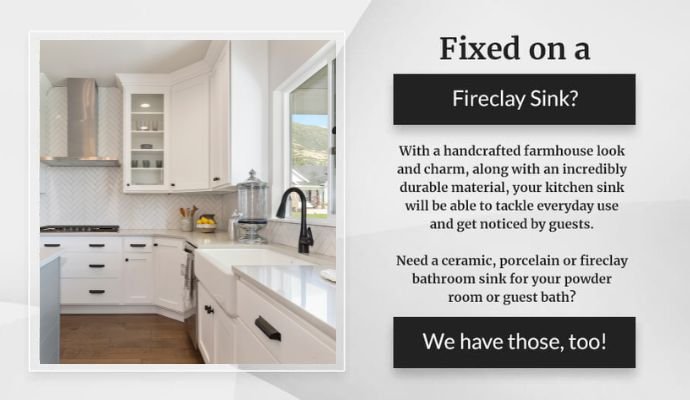
Fixed on fireclay? Explore Van Dyke’s collection of kitchen sinks — specifically our fireclay sinks, featuring deep walls and exposed apron front. With a handcrafted farmhouse look and charm, along with an incredibly durable material, your kitchen sink will be able to tackle everyday use and get noticed by guests. Need something smaller for a guest bath or powder room? We also carry ceramic, porcelain, and fireclay sinks to complete other rooms in your home.
When you spend so much time in the kitchen, make it your own! Choose a sink that suits your space and stands up to the demands of daily life. Shop Van Dyke’s today to find the perfect fit for your renovation.
FIRECLAY KITCHEN SINKS FOR SALE
Image Credits
Buslik/Shutterstock.com
Radovan1/Shutterstock.com
Jane Kelly/Shutterstock.com
Artazum/Shutterstock.com