
How to Patina Hardware and Antique Brass
Patina gives new or overly shiny hardware an aged finish that feels more appropriate for antique furniture, vintage doors, restored cabinets, and period-style interiors. The right patina can soften bright brass, darken metal, add an antique brass look, or help new knobs, pulls, hinges, and plates blend with older surroundings.
Creating a rich, authentic-looking antique patina on new hardware is not difficult, but the best results come from careful preparation. Before applying a patina solution, make sure the hardware is clean, free of lacquer, and completely free of oil or grease. Even a small amount of residue can keep the patina from darkening evenly.
If you are working with older hardware that needs cleaning before you age or seal it, start with our guide on how to clean antique metal. Once the surface is clean, you can decide whether to preserve the existing finish or add a new patina.
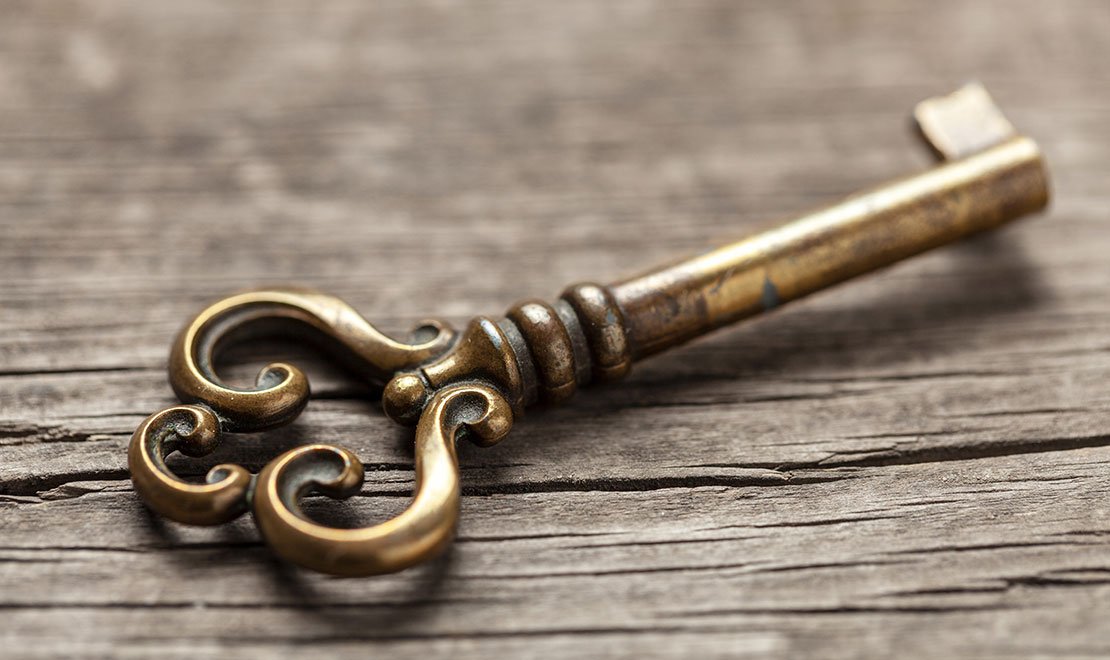
Source: Adobe Stock
SHOP FURNITURE RESTORATION PRODUCTS
In This Guide: Before You Start | Patina Brass Hardware | Patina Colors | Seal Patina | FAQs
Before You Start: Make Sure the Hardware Can Take a Patina
Patina is a chemical reaction on the surface of metal. That means the metal must be exposed before the finish can change. Lacquer, clear coat, wax, oil, plating, paint, and fingerprints can all block or alter the reaction.
| Hardware Type | Can It Be Patinated? | What to Know First |
|---|---|---|
| Unlacquered brass | Yes | One of the best choices for aging, darkening, and creating an antique brass finish. |
| Lacquered brass | Yes, after stripping | The lacquer must be removed before the patina solution can reach the brass. |
| Bronze | Usually | Bronze can develop brown, black, or green tones, but older bronze should be treated carefully. |
| Copper | Yes | Copper can develop brown or green patina, including verdigris-style finishes. |
| Iron or steel | Yes | Iron and steel can be darkened or rusted intentionally, but they should be sealed afterward. |
| Plated hardware | Sometimes | Results depend on the plating thickness and base metal. Test first because strong chemicals can damage thin finishes. |
| Stainless steel or aluminum | Not easily | These metals do not respond to many traditional patina methods and may need specialty products. |
Supplies You May Need
The exact supplies depend on the hardware and the patina product you choose. Always follow the manufacturer's instructions for the specific solution you are using.
- Rubber gloves
- Eye protection
- Soft cloths or paper towels
- Mild dish soap and warm water
- Degreasing solvent or commercial metal pre-treatment
- Paint remover or lacquer remover, if the hardware is sealed
- Patina solution for brass, bronze, copper, iron, or steel
- Foam brush, bristle brush, rag, or sprayer
- Very fine 0000 steel wool or a fine abrasive pad
- Spray lacquer, clear coat, paste wax, or patinating wax
Step 1: Clean the Hardware
First, make sure the item is clean and free of dirt and grime. If necessary, wash the hardware in hot soapy water, rinse thoroughly, pat off excess moisture, and let it air dry. This step is especially important for cabinet knobs, drawer pulls, hinges, backplates, escutcheons, and door hardware that may have years of wax, polish, dust, or hand oil on the surface.
If the hardware is antique or valuable, clean gently and avoid harsh scrubbing. The goal is to remove dirt and residue, not erase every sign of age.
Step 2: Degrease the Surface
For the patina solution to achieve a good bite on the metal's surface, the hardware must be completely free of grease or oil. Wearing rubber gloves, wipe the piece with a commercial pre-treatment or grease-cutting solvent. From this point on, do not touch the hardware with your bare hands. Even trace amounts of body oil can act as a resist and prevent even patination.
Step 3: Remove Lacquer From Brass Hardware
If the patina solution does not begin darkening the metal, the hardware may be sealed with lacquer or another clear coat. Many bright brass knobs, pulls, hinges, and plates are lacquered to protect their shine. That protective coating must be removed before brass can age properly.
Use a paint remover or lacquer remover according to the manufacturer's instructions. Work in a well-ventilated area, wear gloves and eye protection, and rinse or wipe the hardware clean after stripping. Once the lacquer is removed, wash and degrease the hardware again before applying patina.
How to Patina Brass Hardware
Unlacquered brass is one of the easiest hardware metals to age. You can create a soft antique brass finish, a deeper brown patina, or a darker old-world look depending on the solution, contact time, and how much you buff the high points afterward.
- Clean and dry the brass hardware.
- Remove lacquer if the brass has a protective clear coat.
- Degrease the surface while wearing rubber gloves.
- Apply the brass patina solution with a rag, brush, foam brush, or sprayer.
- Let the solution react according to the manufacturer's directions.
- If the color is too light, apply more solution and let it dry again.
- If the color is too dark, brighten raised areas with very fine 0000 steel wool or a fine abrasive pad.
- Seal the finished patina with lacquer, clear coat, wax, or patinating wax.
To make brass hardware look old naturally, leave recesses darker and brighten only the areas that would receive the most handling over time. On knobs, pulls, and backplates, that usually means high edges, corners, ridges, and touch points.
How to Make Metal Look Old
Making metal look old is partly about color and partly about wear. A convincing antique finish usually has darker color in the recessed areas and brighter highlights on raised details. This contrast gives new hardware the look of age, use, and depth.
For hardware, avoid aging methods that are too aggressive for the piece. Fire, bleach, harsh acids, and outdoor weathering may work for craft metal or garden decor, but they can damage fine furniture hardware, plated finishes, screws, springs, or moving parts. For knobs, pulls, hinges, locks, and door plates, a controlled patina solution is usually safer and more predictable.
Patina Colors and Finishes
Different patina products and metals create different colors. Choose the finish based on the hardware, the room, and the period look you want to match.
Aged Brass and Antique Brass
Aged brass and antique brass finishes usually range from warm golden brown to deeper brown or nearly black lowlights. This is a strong choice for cabinet hardware, furniture pulls, door knobs, rosettes, backplates, and hinges when bright brass feels too new.
Brown Patina
Brown patina gives hardware a softer, timeworn look without making it feel heavily distressed. It works well for traditional furniture, antique-inspired cabinets, and restoration projects where the hardware should look warm rather than polished.
Black Patina
Black patina can give brass, bronze, or steel hardware a darker aged appearance. Use it lightly if you want definition in grooves and details, or build the finish in layers for a deeper old-world look.
Oil-Rubbed Bronze Look
An oil-rubbed bronze look is usually dark brown to nearly black with warmer highlights where the hardware would naturally be touched. To create this effect, darken the metal first, then gently polish the raised areas before sealing.
Green Patina and Verdigris
Green patina, often called verdigris, is most closely associated with aged copper, brass, and bronze. It can be beautiful on decorative pieces, but it may not be the best choice for frequently handled hardware because the color can rub off if it is not sealed well. Use green patina thoughtfully on decorative accents, backplates, or display hardware.
How to Apply Patina Solution
Most patina solutions contain a proprietary mixture of chemicals and acids that artificially age the hardware's surface. Using a rag, sprayer, foam brush, or bristle brush, coat the metal with the solution of your choice. Follow the manufacturer's instructions and allow the piece to dry.
After the patina solution dries completely, the metal should show strong tones of the color you have chosen. Do not worry if it looks blotchy or uneven at first. Subtle unevenness can make the finish look more authentic, and you can adjust the final appearance with fine steel wool, an abrasive pad, or another light application of patina solution.
How to Highlight Patinated Hardware
To give your hardware character, highlight areas that would naturally receive more wear. High spots should usually be slightly brighter, while recesses should remain darker. To highlight an area, gently rub the raised details with very fine 0000 steel wool or a fine abrasive pad.
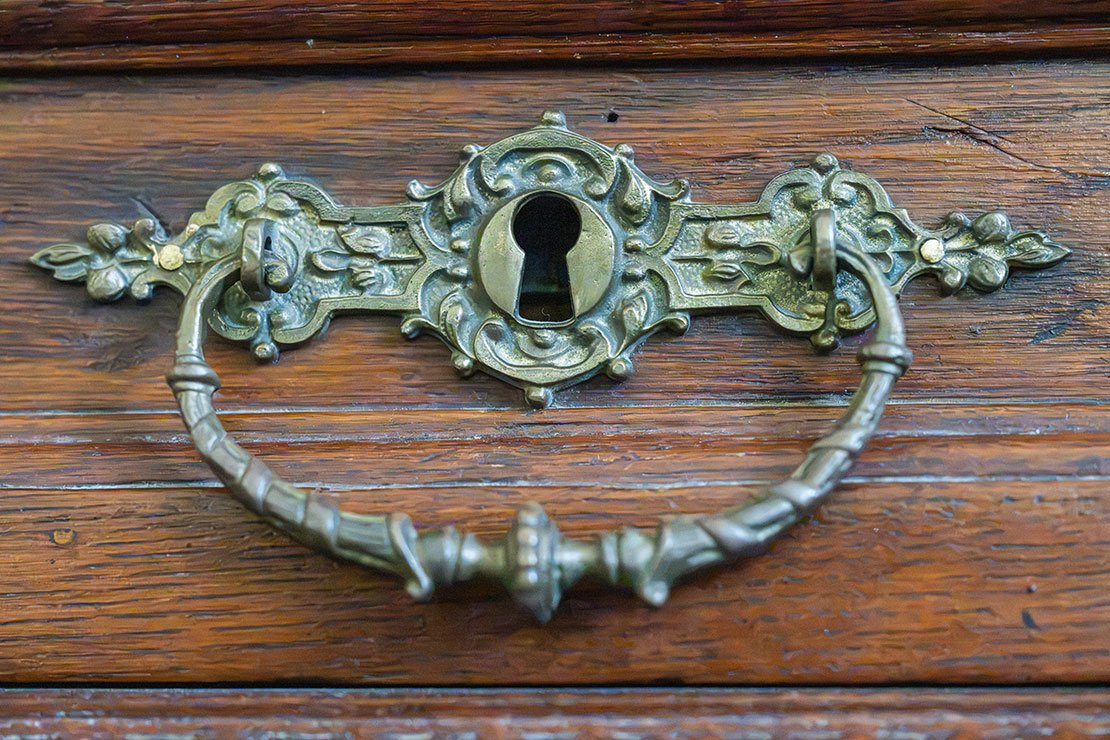
Source: Adobe Stock
You cannot ruin the effect easily at this stage. If you remove too much color, simply reapply the patina solution, let it dry, and rub a little less the next time.
How to Seal Patina on Metal
When you are satisfied with the hardware's new old appearance, seal the surface to help prevent further oxidation, discoloration, or color transfer. A good quality spray lacquer or clear coat is a simple option. Several light coats usually create a better finish than one heavy coat.
Paste furniture wax is another good option for preserving a patinated finish. Apply the wax in a thin coat, let it dry, and buff it gently. Use clear wax if you are happy with the color. If you want to adjust the final tone, use colored wax or a patinating wax to warm, darken, or soften the finish.
Troubleshooting Patina Problems
Why Won't My Brass Patina?
If brass will not patina, it may still have lacquer, oil, wax, polish, or fingerprints on the surface. Strip any clear coating, wash the piece, degrease it again, and avoid touching it with bare hands before applying the solution.
Why Is the Patina Blotchy?
Blotchy patina usually comes from uneven cleaning, leftover lacquer, fingerprints, or inconsistent application. Light blotching can look authentic, but if it feels too uneven, clean the piece again, even out the finish with fine steel wool, and reapply the patina in thin layers.
What If the Finish Is Too Dark?
If the patina is too dark, gently brighten the high points with 0000 steel wool or a fine abrasive pad. Work slowly and check the piece often. A little contrast usually looks more natural than an evenly dark finish.
What If the Patina Rubs Off?
If the color rubs off, the finish may not be fully dry or it may need a protective topcoat. Let the patina cure according to the product directions, then seal it with spray lacquer, clear coat, wax, or another compatible finish.
Related Restoration Guides
Patina works best when the metal is properly cleaned first. For old, rusty, or dirty hardware, read our guide on how to clean antique metal before applying a new finish.
If you are restoring furniture as well as hardware, our guide on how to clean antique wood furniture can help you protect the wood surface while refreshing the metal details.
To complete the project, browse Van Dyke's Restorers for antique hardware, knobs and pulls, cabinet hardware, hinges, door plates and rosettes, and furniture restoration products.
FAQs About Patina Hardware
What is the best way to patina hardware?
The best way to patina hardware is to clean it, remove any lacquer, degrease the metal, apply a patina solution made for that metal, adjust the highlights with fine steel wool, and seal the finish once you like the color.
Can you patina lacquered brass hardware?
Yes, but the lacquer must be removed first. Patina solution needs direct contact with the brass. If a clear coating remains on the surface, the metal may not darken or the finish may turn blotchy.
How do you make brass hardware look old?
To make brass hardware look old, remove lacquer if needed, clean and degrease the surface, apply a brass patina solution, then gently brighten the raised edges and touch points. Seal the finish with lacquer, clear coat, or wax.
How do you seal patina on metal?
You can seal patina on metal with spray lacquer, clear coat, paste wax, or patinating wax. Several light coats of lacquer usually work better than one heavy coat, while wax can create a softer hand-rubbed finish.
Can you patina stainless steel or aluminum?
Stainless steel and aluminum do not respond well to many traditional brass, bronze, copper, iron, or steel patina methods. They may require specialty products, and results can be less predictable.
Should patinated hardware look perfectly even?
No. A slightly uneven patina often looks more natural because real antique hardware darkens in recesses and brightens on raised areas from use. The goal is controlled variation, not a flat painted look.