
Characteristics of Popular Wood Types

Guide to Choosing the Right Wood for Your Project
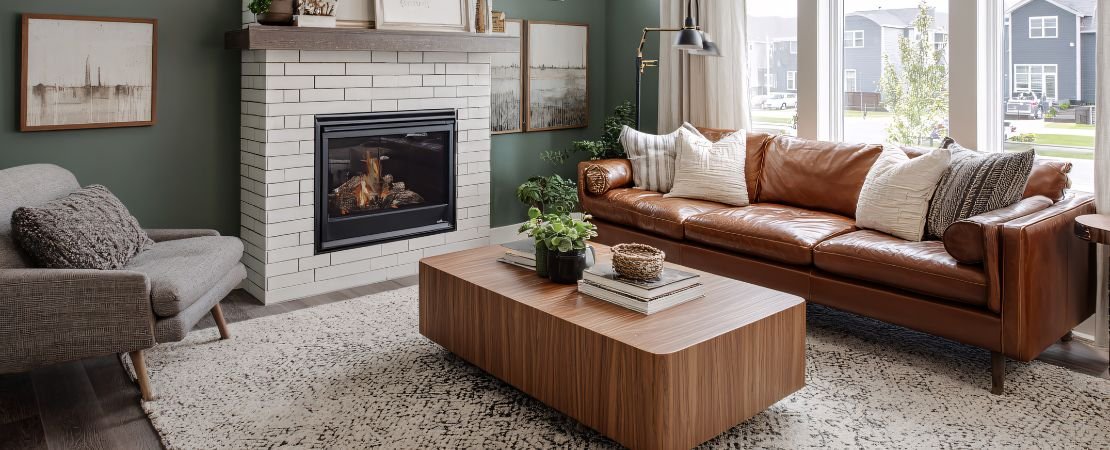
When remodeling or making home improvements, there are a variety of wood products you might add or replace, including corbels, brackets, columns, furniture legs and feet, moldings, and appliques, in a range of wood types. At Van Dyke's, our wood items are shipped pre-sanded and unfinished, ready for you to stain, paint, or finish to your liking. Choosing the right wood can enhance the look and durability of your project. Let's look at popular wood types, their uses, and how best to stain and finish them.
Understanding Hardwood and Softwood
Wood is classified as either hardwood or softwood, though these terms don't always indicate the density or hardness of the wood. Instead, they refer to the wood's origin and structure:
Hardwoods come from broad-leaf trees (no needles), such as oak, walnut, mahogany, maple, cherry, and alder. Generally, hardwoods are used for furniture and decorative elements due to their rich appearance and durability.
Softwoods come from coniferous, needle-bearing trees, like pine and cedar. Softwoods are generally lighter and more affordable, making them popular for construction and some types of furniture.

Common Wood Grains and Their Impact on Appearance
The grain of wood—the arrangement of its fibers—affects the appearance and workability of wood. Here are some common types of grain patterns:
- Straight grain: Common in woods like oak and ash, offering a uniform look.
- Wavy grain: Seen in maple and some exotic woods, creating a dynamic, flowing appearance.
- Irregular grain: Found in walnut and mahogany, it can give a more rustic or unique look.
The grain pattern can influence how well a wood takes stain. Softwoods tend to absorb stain more quickly, while dense hardwoods may require multiple coats.
Tips for Staining Wood
- Test stains on scrap wood to preview the final look.
- Apply stain with a brush or rag, following the grain to achieve a smooth, even color.
- Wipe off excess stain for a lighter tone, or leave it on longer for a darker shade.
- Seal with a finish after staining to protect and enhance the wood.

Different Types of Wood and Their Characteristics
Here's a closer look at various wood types, most available at Van Dyke's Restorers, along with their best uses, grain, and staining properties:

Alder
Alder is part of the birch family and is a softer hardwood grown in the Pacific Northwest.
- Description: Light in color and soft for a hardwood, alder is easy to carve and uniformly accepts stains.
- Best Uses: Furniture, cabinetry, and carved elements.
- Staining: Takes stain evenly, often used to mimic more expensive woods like Cherry.

Ash
Ash is a medium-density, light-colored wood that grows in eastern and central North America and Mexico.
- Description: Light-colored, medium-density wood with a straight grain, similar to Oak.
- Best Uses: Floors, stools, and millwork; commonly used in sports equipment for its durability.
- Staining: Stains well, suitable for projects needing a strong wood that can mimic Oak.

Aspen
Aspen is a softer, even-grained hardwood from the northeastern and north central US.
- Description: Soft, even-grained wood from the Poplar family, often appearing light and neutral.
- Best Uses: Furniture and interiors; easy to work with and ideal for staining.
- Staining: Takes stain well, making it versatile for resembling Walnut or Cherry.

Birch
Birch is one of the harder wood species and grows in North America, Europe, and Asia.
- Description: Light-colored, close-grained hardwood, known for durability.
- Best Uses: Butcher blocks, cabinetry, and musical instruments for its acoustic qualities.
- Staining: Excellent for staining, though it may need conditioner to avoid blotchiness.

Cherry
Cherry is a circular-grain wood that grows in many parts of the world. Maple and alder are often substituted for cherry and can be stained to look like Cherry.
- Description: Reddish-brown, circular-grain hardwood that darkens over time.
- Best Uses: Cabinetry and luxury furniture; a favorite for 18th-century furniture styles.
- Staining: Often left natural; darkens beautifully with age.

Hickory
Hickory heartwood is a straight-grained, coarse-textured wood that varies in color from tan to brownish-red. The sapwood is nearly white.
- Description: Straight-grained, coarse-textured wood with color variations.
- Best Uses: Tool handles, tables, and high-durability furniture pieces.
- Staining: Stains well but often requires conditioning due to dense grain.
Mahogany
Mahogany is a tropical, medium-to-hard wood grown in South and Central America and Africa.
- Description: Reddish-brown hardwood with a fine, straight grain, highly stable.
- Best Uses: Cabinets and high-end furniture.
- Staining: Often left unstained to preserve natural color; can be polished for a luxurious look.

Maple
Maple is a durable hardwood common in the Eastern and Western United States.
- Description: Durable, fine-grained wood available as hard or soft maple.
- Best Uses: Floors, cabinetry, and furniture.
- Staining: Often preconditioned to achieve an even stain; can be stained to resemble Cherry or Walnut.

Oak
Oak is a very hard, open-grained wood from deciduous and evergreen trees in the US, Canada and Europe.
- Description: Hard, open-grained wood with prominent texture; available in red and white varieties.
- Best Uses: Flooring, furniture, and cabinetry; commonly used in traditional styles.
- Staining: Takes stain well, aging into a warm, honey tone; can mimic various tones from golden to dark.

Pine
Pine grows worldwide and has been a popular wood for furniture making for centuries.
- Description: Light-yellow softwood with visible knots and even grain.
- Best Uses: Millwork, construction, and rustic furniture.
- Staining: Absorbs stain readily, often used in rustic and farmhouse decor.

Poplar
Pale in color, poplar is a softer wood similar to beech and alder and grown throughout North America, Europe and Asia.
- Description: Pale, uniform hardwood, softer than many others.
- Best Uses: Ideal for painted projects, less expensive furniture, and molding.
- Staining: Absorbs stain well but requires fine sanding for a smooth finish.

Rubberwood
Grown in tropical rainforests, Rubberwood (also called parawood) is a durable, medium-density hardwood.
- Description: Durable, medium-density hardwood with minimal shrinkage.
- Best Uses: Indoor furniture.
- Staining: Does not handle excessive moisture well; best for indoor staining and finishing.
Teak
Teak trees are native to South and Southeast Asia, but are now also grown in plantations in Africa, Asia, and Latin America.
- Description: Teak is a dense hardwood known for its natural oils, which make it highly resistant to moisture, rot, and insect damage. Its color ranges from a golden brown to a rich reddish-brown that deepens over time, developing a natural patina when exposed to outdoor elements.
- Best Uses: Ideal for outdoor furniture, decking, boatbuilding, and high-end indoor furniture.
- Staining: Teak's natural oils make it less absorbent to stains, so it’s typically left untreated or treated with teak oil to preserve its color.

Walnut
Walnut has a rich chocolate brown color. Walnut trees grow in many places including North America, Europe, and Asia.
- Description: Dark, rich brown hardwood with a straight, medium-textured grain.
- Best Uses: High-end furniture, countertops, and detailed woodwork.
- Staining: Usually left natural or finished with a clear coat to showcase its unique color.
Choosing the right wood type helps ensure your project's durability and appeal. Visit Van Dyke's Restorers for high-quality wood pieces that bring out the best in your restoration or home improvement projects.
FAQs About Wood Types
What type of wood should I use for outdoor projects?
Opt for woods with natural moisture resistance, like cedar, teak, or pressure-treated Pine. These woods resist rot and warping.
Can I paint over stained wood?
Yes, but you'll need to lightly sand and apply a primer first. This helps paint adhere to the stained surface.
Can I stain one type of wood to look like another?
Yes! Many lighter woods like poplar, birch, and maple can be stained to resemble pricier woods like cherry or walnut.
Where should I use softwood vs. hardwood?
Softwoods like pine are great for interiors, lightweight furniture, or where cost is a factor. Hardwoods like oak and walnut work best for high-traffic areas or pieces that require greater durability.