
What is an ADU?

The Rise of Accessory Dwelling Units: Transforming Homes and Communities
In recent years, homeowners across the nation have increasingly turned to Accessory Dwelling Units (ADUs) to maximize their property's potential. These unique structures, whether known as granny flats, in-law units, or backyard cottages, offer a versatile solution to numerous modern living challenges. Let’s explore the origins of this trend, its current scope, the elements that make up an ADU, their various uses, and answers to some frequently asked questions.
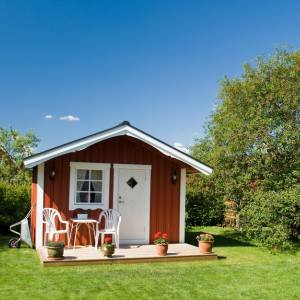
What Is an ADU?
An ADU is a secondary housing unit on the same property as a main residence. ADUs are designed to be fully functional living spaces, which means they include their own kitchen, sleeping, and bathroom facilities. Different types can include:
Detached ADU: These are standalone structures, often referred to as backyard cottages or granny flats. They're completely separate from the main home, providing privacy and autonomy.
Attached ADU: These units are built as an extension to the existing home, sharing at least one wall with the primary structure.
Garage Conversions: Transforming a garage into an ADU is a common way to utilize existing space that might not be fully utilized.
Basement Conversions: Also known as basement apartments, these ADUs make use of the underutilized space in the home’s lower level.
BUY BATHROOM FIXTURES
Origins of the ADU Trend
The concept of ADUs is not new, but its resurgence can be credited to several contemporary needs and changes in societal dynamics. Initially, ADUs became popular to accommodate extended family, particularly aging parents, within close proximity while maintaining privacy. However, as housing shortages have become more acute and urban density has increased, ADUs have emerged as a savvy solution to create more living space and add value to properties.
Economic factors also play a significant role. An economic slow-down, followed by rising home prices and rents, has made ADUs an attractive option for homeowners looking to generate additional income. Additionally, changing zoning laws in cities like Portland, Los Angeles, and Seattle have made it easier to build these units. These regulatory shifts are driven by a need to address housing affordability and to diversify housing options in residential neighborhoods.
The Extent of the ADU Trend
The expansion of ADUs is noteworthy, particularly in urban areas. In California, for example, legislation has evolved to support the development of ADUs, resulting in a spike in permits. According to a 2020 report from the Terner Center for Housing Innovation at UC Berkeley, applications for ADU permits have surged following state legislative changes in 2016 and 2017.
This trend is not limited to the West Coast. Cities across the country, recognizing the benefits of ADUs, are revising local laws to facilitate their construction. This nationwide shift indicates a growing recognition of ADUs as vital tools for urban planning and housing strategy.

Key Elements of an ADU
An ADU typically encompasses several key components:
- Independence: An ADU is generally designed as a fully functional independent unit, which includes its own entrance, living space, kitchen, and bathroom.
- Efficiency: Space efficiency is crucial, with many ADUs featuring multi-functional furniture and appliances to maximize the utility of smaller areas.
- Compliance: Compliance with local zoning and building codes is essential for legal and safety reasons. Homeowners must ensure that their ADU design and construction meet all local regulations.
- Aesthetics: Designing an ADU that complements the main house and fits well within the neighborhood’s architectural style is vital for community acceptance and property value enhancement.
SHOP FOR HARDWARE
For homeowners considering building or renovating an ADU, selecting the right materials and fixtures is crucial. Websites like vandykes.com offer a wide range of hardware and materials ideal for the unique needs of ADU construction, such as compact and efficient fixtures, hardware, and décor that optimize space without sacrificing style.
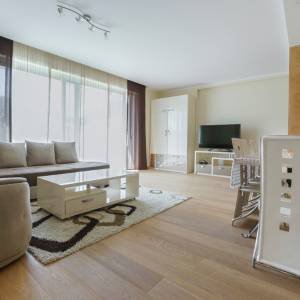
Uses for an ADU
ADUs are remarkably versatile and can serve various functions, including:
- Rental Income: Many homeowners build ADUs to rent them out, providing a steady source of income.
- Guest Housing: ADUs offer comfortable accommodation for guests, providing privacy and convenience.
- Home Office: With the rise of remote work, ADUs can be transformed into dedicated home offices or studios.
- Living Space for Relatives: They can provide a close but independent living solution for elderly parents or adult children.
FAQs About ADUs
What are the costs involved in building an ADU?
Building an ADU can vary significantly in cost, depending on size, location, and materials used. Costs can range from $30,000 for a modest conversion to over $100,000 for a fully equipped new build.
Can I build an ADU on my property?
Eligibility to build an ADU depends on local zoning laws. Most urban and many suburban areas now allow ADUs, but it's important to consult local planning departments.
How do I get started with building an ADU?
Begin by researching local regulations, then consider the purpose of your ADU to guide the design process. Consulting with a professional who specializes in ADUs can ensure that your project meets all legal requirements and is designed efficiently.
What are the best practices for renting out an ADU?
Ensure your ADU complies with local housing laws. Furnish and decorate tastefully to attract tenants, and consider using property management software to streamline the rental process.
ADUs offer a flexible solution that can adjust to the changing dynamics of modern life. With thoughtful planning and strategic design, ADUs can enhance property functionality and value, making them a smart investment for today’s homeowners.