
What to Look for Sourcing Wood Components for Home Renovation Projects

Decorative Wood Products Built for the Demands of Real Renovation Work
Restoring or renovating a home—especially one with history or character—means dealing with all kinds of quirks: uneven walls, custom cabinetry, unusual proportions. But even the best-planned projects can unravel when the materials don't hold up.
You might order wood furniture legs and feet, corbels, or trim, expecting quality, only to find:
- The grain doesn't match and stains unevenly
- Pieces are rough, inconsistent, or warped
- The sizing is off just enough to throw off alignment
- The design feels too generic for the space
If you've been there, you already know: the wrong wood components waste time, budget, and energy.
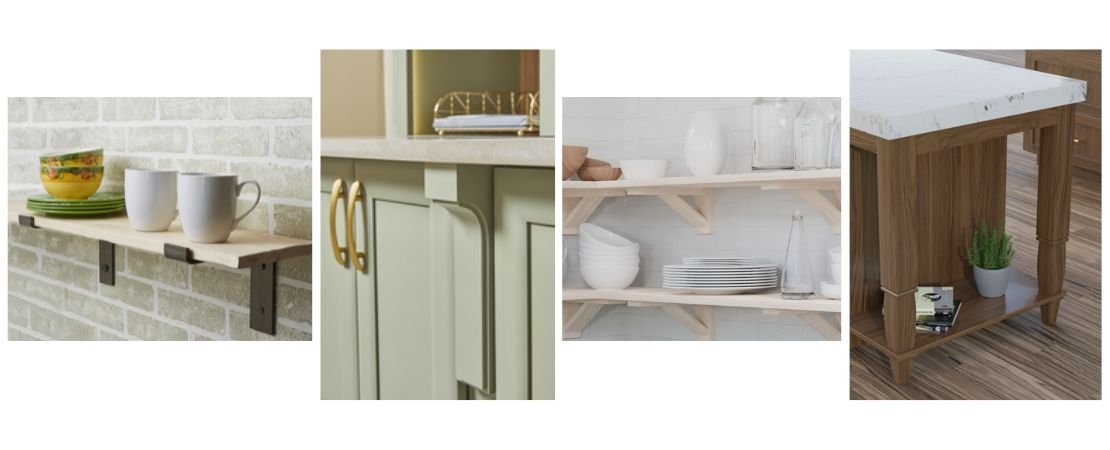
How to Choose Components That Actually Work in the Field
You don't need a lecture on "premium craftsmanship." You need parts that actually help you finish a job—without sanding, modifying, or explaining to the homeowner why the island post they waited weeks for doesn't match the cabinets.
Here's what to look for when sourcing wood components for serious home renovation work:
- Real Hardwood, Not Composite
Solid hardwood matters—not just for durability, but for stain absorption and visual integrity. Look for North American hardwoods like maple, oak, and walnut with tight, clean grain and no filler layers. - Pre-Sanded and Ready to Finish
You don't have time to do the supplier's job. Pre-sanded components reduce labor and ensure even staining or painting. Factory sanding should be uniform and done before any machining to maintain sharp details. - Consistent Grain and Color
This is especially critical for visible elements like legs, brackets, and decorative molding. Components should be grain-matched or at least selected with visual consistency in mind—so you don't need to “fix” parts that look like they came from three different trees. - Period-Appropriate Design Options
Mass-market molding and posts can feel too basic or contemporary for older homes. Look for manufacturers who offer historically inspired profiles and traditional shaping, especially when working on restorations. - Made in the U.S.
Local production is a practical choice. Faster lead times, reliable stock, and real customer support make a big difference on jobs with tight timelines or evolving scopes.
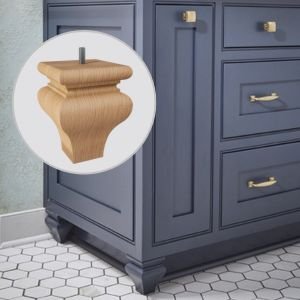
Finding a Reliable Source for Restoration-Grade Wood Parts
High-quality components are only part of the equation. The other part is knowing where to get them—consistently, confidently, and without a lot of back-and-forth.
If you're sourcing wood legs, trim, corbels, or brackets for a home renovation or restoration project, you need a supplier that understands the difference between decorative and structural, stock and custom, trend and tradition.
That's why many builders, designers, and restoration specialists turn to VanDykes.com. The selection of Designs of Distinction products available through Van Dyke's Restorers reflects the same standards—solid hardwood, period-appropriate profiles, and a level of quality meant for long-term use.
In addition to finding components that look good in a catalog, you'll find materials you can count on with parts that fit, finish well, and match the character of the home you're working on.
DESIGNS OF DISTINCTION COLLECTION
Bottom Line: The Materials You Choose Reflect on Your Work
Sourcing quality components makes your work stand up to time, scrutiny, and use. When wood parts arrive ready, consistent, and solid, you can focus on craftsmanship, not correction.
What do you need for your next project? If it's a full historic home renovation or a high-end kitchen island, Van Dyke's Restorers has the decorative wood assortment to source what you need.