
96 Ways to Craft the Perfect Accent Wall

Show Your Style and Creativity
Creating an accent wall is a simple project that can transform any room in your home. It's the perfect project to add a pop of texture, introduce a bold color, or highlight a specific area. Accent walls can redefine the mood and function of rooms in your home.
We'll look at the variety of materials, styles, and finishes for an accent wall, while considering factors like budget, room design, and personal taste. By the end, you'll have dozens of feature wall ideas (and hundreds of ways to customize them) to consider and tips to tackle the project.
Why Have an Accent Wall?
An accent wall serves multiple purposes in interior design.
- Add Depth and Interest: Break up monotony in a room with a striking design element.
- Create a Focal Point: Draw attention to architectural features or anchor a piece of furniture.
- Personalize Your Space: Showcase your unique style with textures, colors, or patterns.
For many, the decision to create an accent wall comes from wanting to refresh a room without committing to a full renovation. It's a cost-effective way to make a big impact.
Step 1: Selecting the Wall
The first step is choosing the right wall to highlight. Some guidelines include:
- Natural Focal Points: Walls that already draw attention, like those with fireplaces, TVs, or beds, are excellent candidates.
- Uninterrupted Walls: Blank walls without doors, windows, or large furniture pieces make ideal canvases.
- Proportional Considerations: In long rooms, accenting the shortest wall can create balance.
Step 2: Choosing the Material
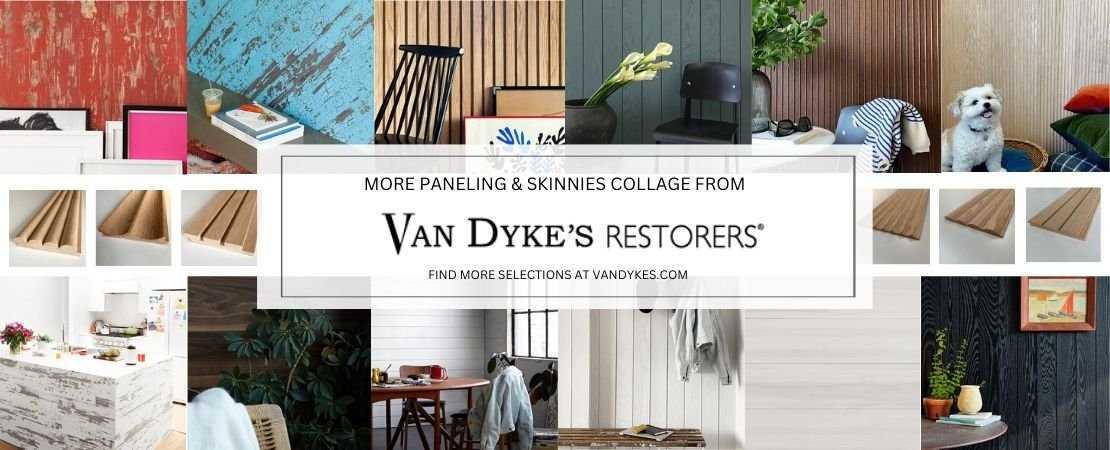
The material you choose will set the tone for your accent wall. Van Dyke's Restorers offers dozens of high-quality options, each suited to different styles and purposes.
- Wood Paneling
- Style: Warm, timeless, and versatile.
- Best For: Traditional or rustic interiors.
- Why Choose It: Adds natural texture and coziness to living rooms, home offices, or dining areas.
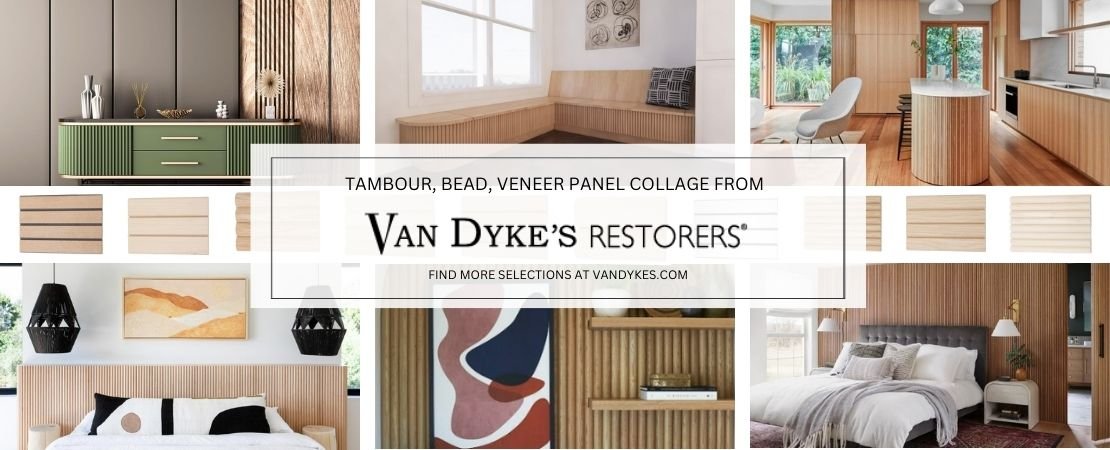
- Tambour Wood Paneling
- Style: Sleek, linear, and modern.
- Best For: Contemporary or mid-century designs.
- Why Choose It: Creates a clean, sophisticated look, ideal for bedrooms, media rooms, or hallways.
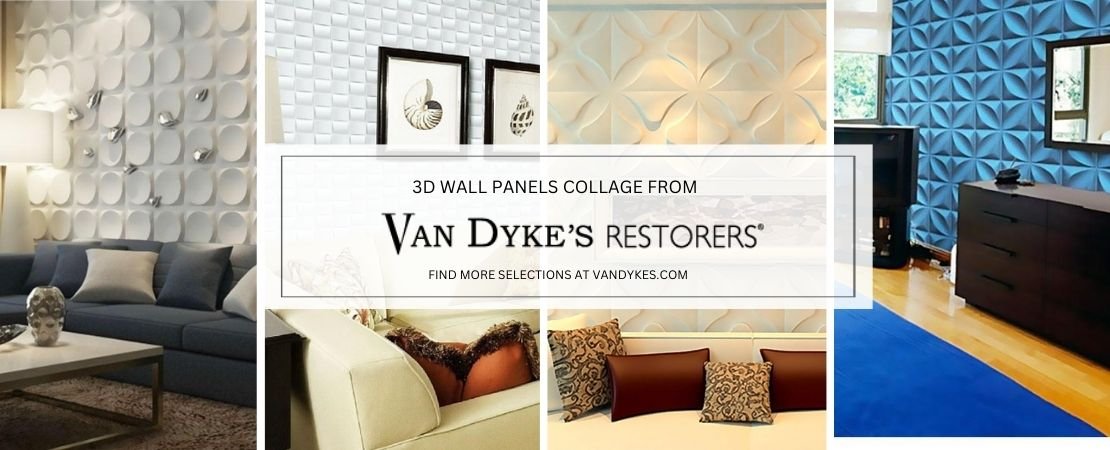
- 3D Wall Panels
- Style: Sculptural and dynamic.
- Best For: Bold, artistic spaces.
- Why Choose It: Adds depth and drama to entryways, bathrooms, or statement walls in living rooms.
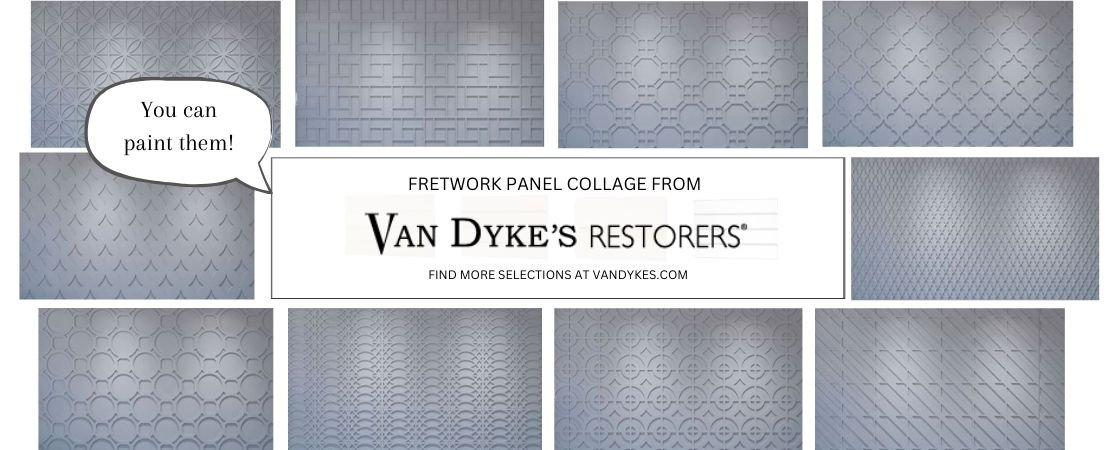
- Fretwork Panels
- Style: Elegant and intricate.
- Best For: Formal or eclectic interiors.
- Why Choose It: Offers ornate patterns that elevate dining rooms, bedrooms, or formal living spaces.
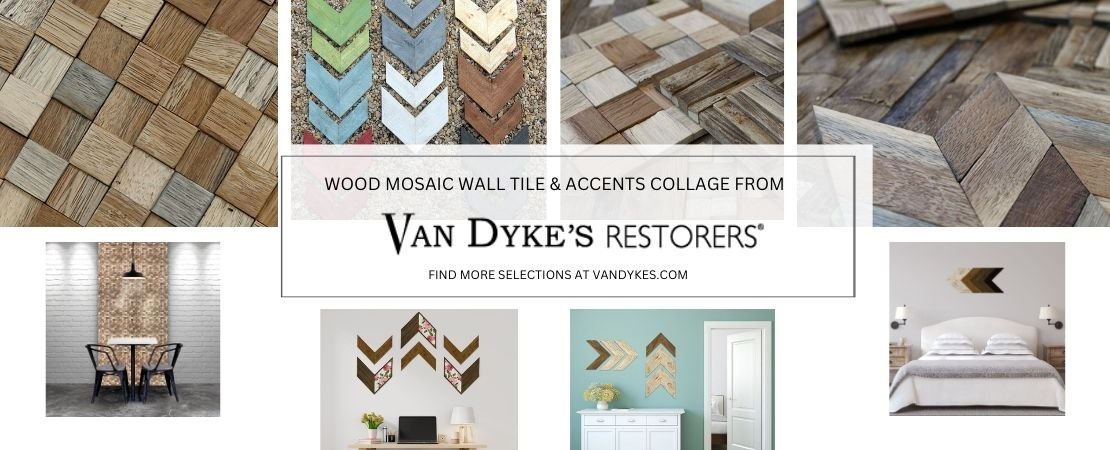
- Wood Mosaic Tiles
- Style: Unique and artistic.
- Best For: Creative, one-of-a-kind designs.
- Why Choose It: Perfect for bathrooms, kitchens, or headboard walls, where texture becomes a focal point.
- Designer Wallpaper
- Style: Bold, trendy, or classic, depending on the pattern.
- Best For: Spaces needing color or personality.
- Why Choose It: Easy to apply and switch out, making it perfect for powder rooms, bedrooms, or feature walls.


Step 3: Aligning Style with Space
When deciding on a style, think about the function and feel of the room:
- Modern Minimalism: Opt for tambour wood or 3D wall panels in neutral tones.
- Rustic Charm: Wood paneling or mosaic tiles in natural finishes bring warmth.
- Classic Elegance: Fretwork panels or crown molding with soft, muted colors create refinement.
- Eclectic Personality: Designer wallpaper or bold paint with wainscoting adds flair.
Step 4: Selecting Colors
Color is a key component of your accent wall. Consider:
Room Function
- Living rooms benefit from warm tones like terracotta or deep green.
- Bedrooms feel calming with cool tones like blue or lavender.
- Dining rooms shine with rich hues like burgundy or navy.
Lighting:
- Bright, natural light amplifies bold colors and textures.
- Dim rooms benefit from lighter, reflective tones.
Step 5: Planning and Installing Your Accent Wall
Once you've chosen your material and style, it's time to plan the installation:
- Measure Twice: Ensure precise measurements to order the correct amount of material.
- Prepare the Wall: Clean and smooth the surface, and use primer if necessary.
- Layout First: Lay out materials to visualize placement before attaching anything permanently.
- Install with Care:
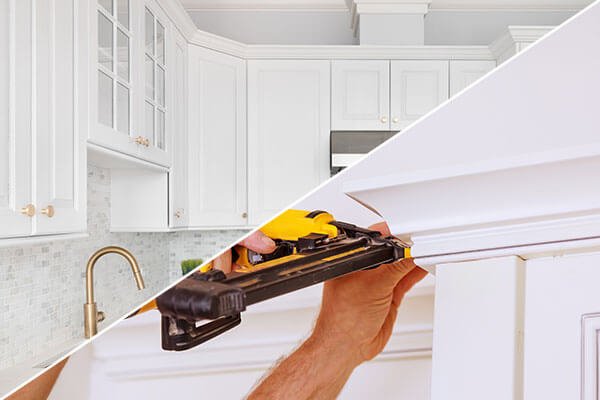
- Use adhesives for panels, adding nails or screws for stability.
- Wallpaper requires careful alignment to avoid misaligned patterns.
- Finishing Touches: Add crown molding, trim, or paint to polish the design.
Step 6: The Result: A Room Transformed
When completed, an accent wall brings new life to a room. Depending on the materials you use, you can even complete the project in a weekend! Add skinnies and trim for a budget-friendly feature wall.
The satisfaction of completing an accent wall project lies not just in the transformation but in the story it tells—a story of creativity, style, and a willingness to make a space truly your own.
Ready to Start Your Accent Wall Project?
Van Dyke's Restorers provides so many options to design a stunning accent wall that fits your style and vision. Explore our extensive collection and transform your space today!